
Dec 31, 2025
Large studies show children with eczema have higher rates of ADHD, especially when sleep is disrupted. Learn what the research says, what it doesn’t, and what parents can do.



Summary:
Children with eczema are significantly more likely to show ADHD symptoms, and children with ADHD are more likely to have eczema.
The link appears driven by sleep loss and inflammation,but causality is not yet proven.
Research suggests that treating sleep is the ebst way to manage both issues.
Parents are often surprised to learn that eczema and ADHD are linked, but the research is now clear and consistent.
Multiple large studies show that children with eczema are more likely to develop ADHD symptoms, and children with ADHD are also more likely to have eczema. Across studies, the increased risk ranges from about 30% to nearly 90%. In children with severe eczema, the risk is substantially higher.
Why might eczema and ADHD be connected?
Three factors stand out repeatedly in the research.
First, sleep disruption. Chronic itch, discomfort, and night-time waking are common in eczema. Sleep loss alone is associated with increased inattention, impulsivity, and emotional regulation difficulties. In some studies, children with severe eczema and very poor sleep showed dramatically higher odds of ADHD symptoms than peers.
Second, chronic inflammation. Eczema is an inflammatory condition, and growing evidence suggests that early and persistent inflammation may affect brain development, attention regulation, and stress systems, particularly when it begins in early childhood.
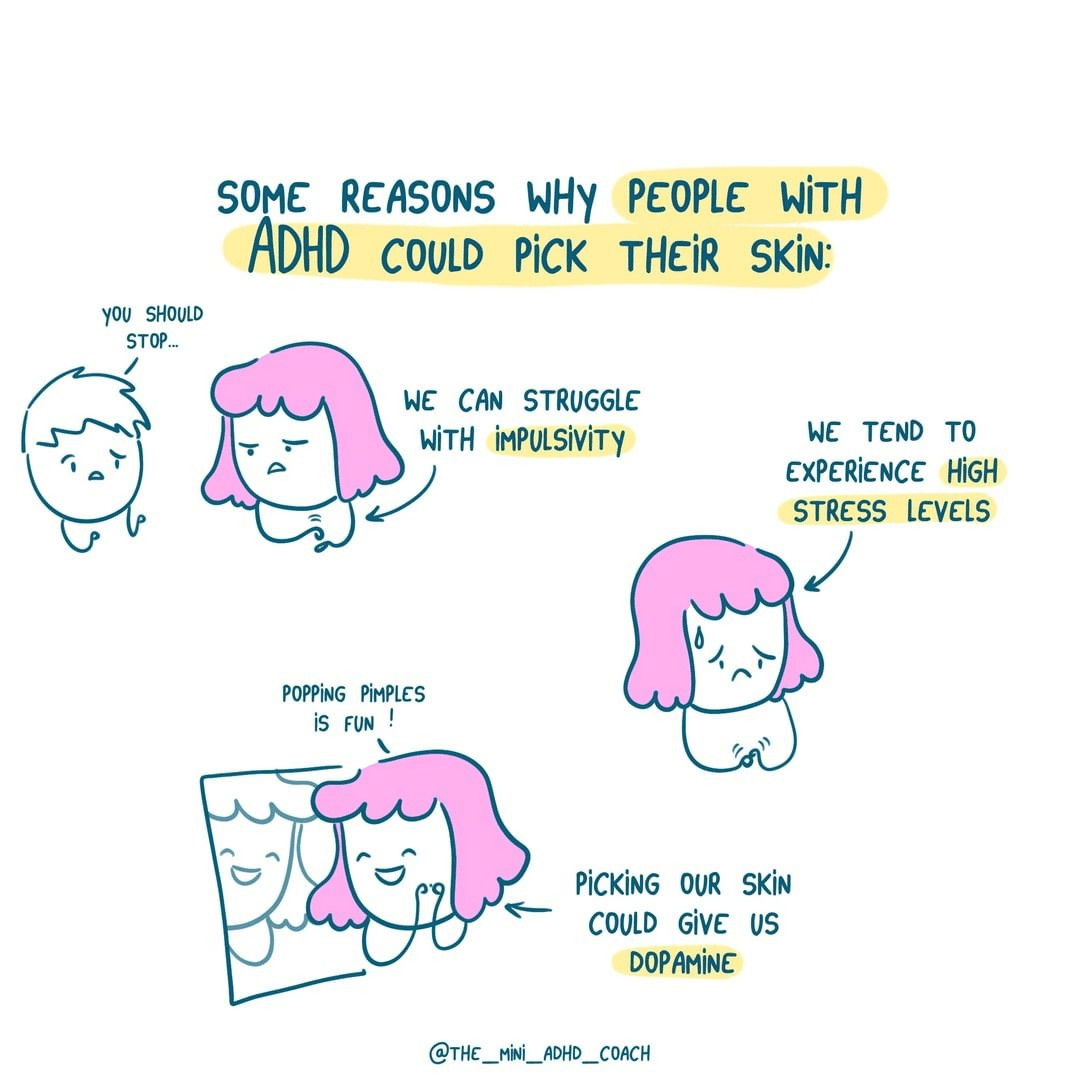
Third, stress-system dysregulation. Children with both eczema and ADHD show altered stress hormone responses, suggesting shared involvement of the body’s stress-regulation systems. This does not mean the child is “over-stressed” psychologically; it reflects a physiological pattern shaped over time.
Timing also matters. Children with early-onset, persistent eczema appear to be at higher risk than those whose eczema develops later or resolves more quickly. This supports the idea of cumulative effects during sensitive developmental periods.
What this does not mean
Importantly, these findings do not prove that eczema causes ADHD, or that ADHD causes eczema. Most studies are observational, not experimental. They also do not suggest that attention difficulties are “all in the head,” due to poor discipline, or something parents have caused.
Instead, the evidence points to sleep.
Practical implications for parents and clinicians
For families, the key takeaway is awareness rather than alarm.
Sleep quality should be assessed early and taken seriously, not dismissed as a minor side effect of skin symptoms.
For clinicians, these findings support a whole-child approach. Treating eczema symptoms, improving sleep, and supporting emotion regulation skills may reduce secondary difficulties, even if they do not “prevent” ADHD outright.
For paents, if your child has eczema, the goal is to stay attentive to patterns that deserve support. A few evidence-informed steps can make a meaningful difference:
• Take sleep seriously.
Night-time itching and frequent waking are not minor side effects. Track sleep quality, bedtime resistance, and daytime fatigue. Improving sleep alone can reduce inattention and emotional reactivity.
• Watch for regulation, not just behaviour.
Difficulty focusing, restlessness, irritability, or emotional volatility may reflect fatigue or physiological overload rather than defiance or low motivation.
• Treat the whole system, not just the skin.
Effective eczema management, consistent routines, and predictable expectations help reduce background stress on the nervous system.
• Seek input early if concerns persist.
If attention, impulsivity, or emotional regulation issues continue across settings, especially alongside poor sleep, an informed clinical perspective can help clarify what’s going on and what you can do about it.
If you’re unsure whether your child’s challenges reflect ADHD, sleep-related regulation difficulties, or something else, you’re welcome to get in touch to discuss next steps. Visit Rick-Smith.com to book a free call today.